Originally published by The Institution of Environmental Sciences in the Toying with Nature: Recreation and the Environment edition of the environmental SCIENTIST in December 2018.
Paddy Fowler reviews the relationship between recreation and the environment.
On a blustery morning of the 24th April 1932, in the shadows beneath Kinder Scout in the Peak District, some 400 radical, working-class ramblers from Manchester and Sheffield waited nervously to begin their morning hike. This was a hike like no other, a hike that would establish the right to roam and change the course of UK environmentalism. Departing from Hayfield in the West and Edale in the East, the two groups determinedly set their sights on summiting the peak. Kinder Scout was on private moorland, so this was an act of civil disobedience, a mass trespass.
Before long, a scuffle broke out with a group of local gamekeepers (some reports called them hired thugs posing as gamekeepers) enlisted to defend the land, but this blockade was surpassed and both groups converged on the plateau, exchanged congratulations, and began to descend.
The story made headlines around the country as a small number of the trespassers were arrested for their involvement in fighting with gamekeepers. This attracted increasing numbers of ramblers to attend successive events, precipitating a wave of support which increased public demand for the right to access private land. The mass trespasses, and resulting media campaigns, led to the development of bills of access to mountains, reports into national parks and, eventually, the introduction of the Countryside and Rights of Way (CROW) Act 2000, implementing the right to roam in certain areas of England and Wales. Roy Hattersley called it “the most successful act of direct action in British history”.1 The right of the public to enjoy the countryside for recreation had triumphed over the rights of landowners to prevent access to their property.
“This was a hike like no other, a hike that would establish the right to roam and change the course of UK environmentalism.”
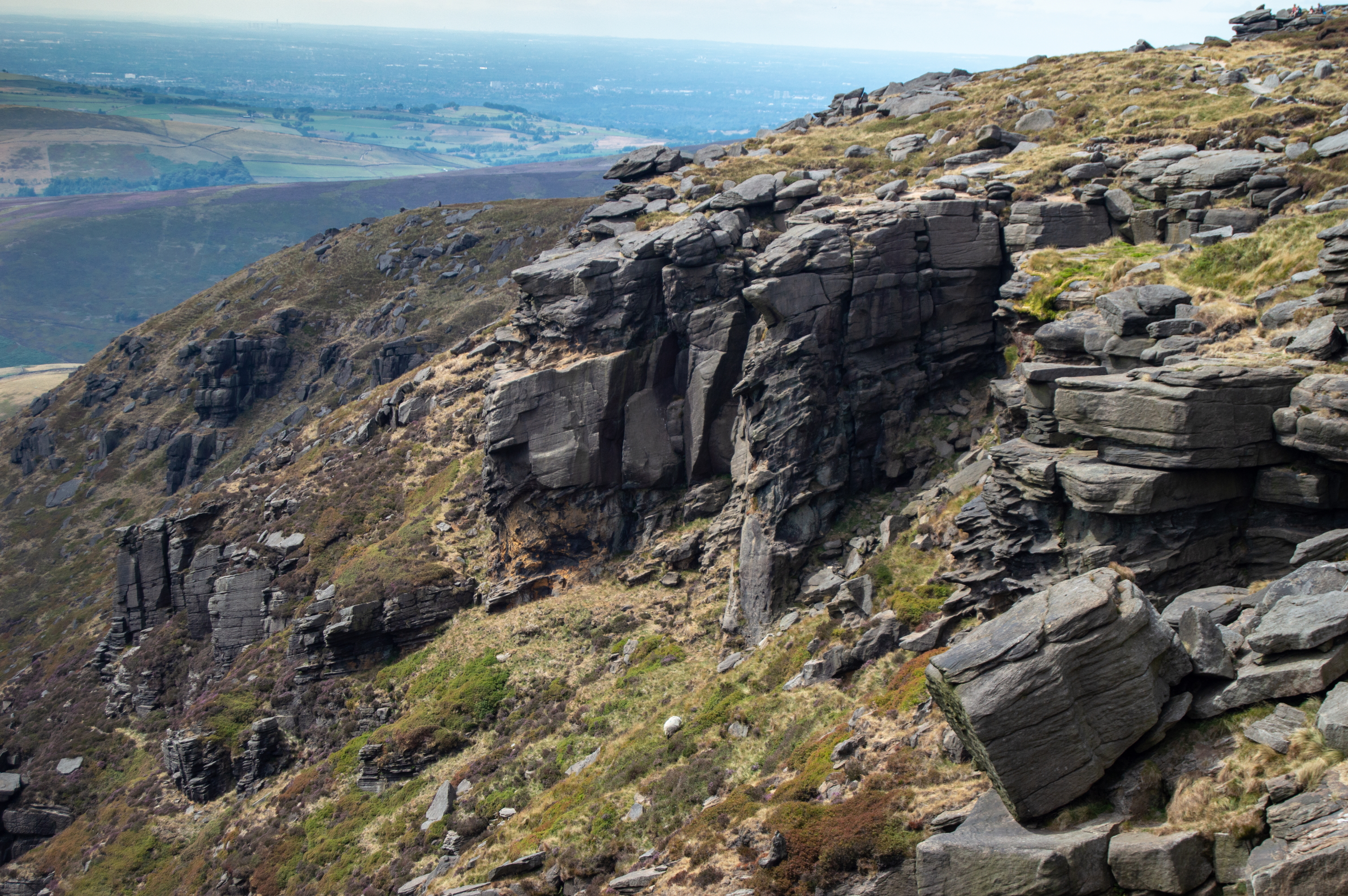
Opening up huge swathes of countryside to the general public helped to establish recreational pursuits as a major British pastime. In 2013, outdoor recreation was claimed to be the UK’s favourite pastime with 75 per cent of adults taking part at least once a month and 51 per cent doing so weekly.2 This flood of new recreational activities in our environment has brought a bewildering array of new conflicts over rights: the mountain biker versus the rambler, the climber versus the right of birds to nest undisturbed. This edition of the environmental SCIENTIST highlights that even 87 years after the Kinder Scout Trespass, there is still much to be fought over.
Immersed in nature
The mass trespass of Kinder Scout paved the way for entire landscapes to be opened up for all classes. Where previously there were the barriers of wealth and status, soon there would be a right to roam, and access to lands owned by others were anyone’s to explore. In 1951, the Peak District, perhaps by no coincidence, was made the first National Park in the UK. Today, the UK boasts 15 national parks covering almost 10 per cent of the UK’s land area, encompassing mountain ranges, chalk streams, wetlands and coastlines for anyone who seeks to explore Britain’s natural landscape. With access to land came natural pursuits; more people took up rambling in their free time and the working class could enjoy the benefits that acres of open and wild pastures could offer without any requirement for ownership.
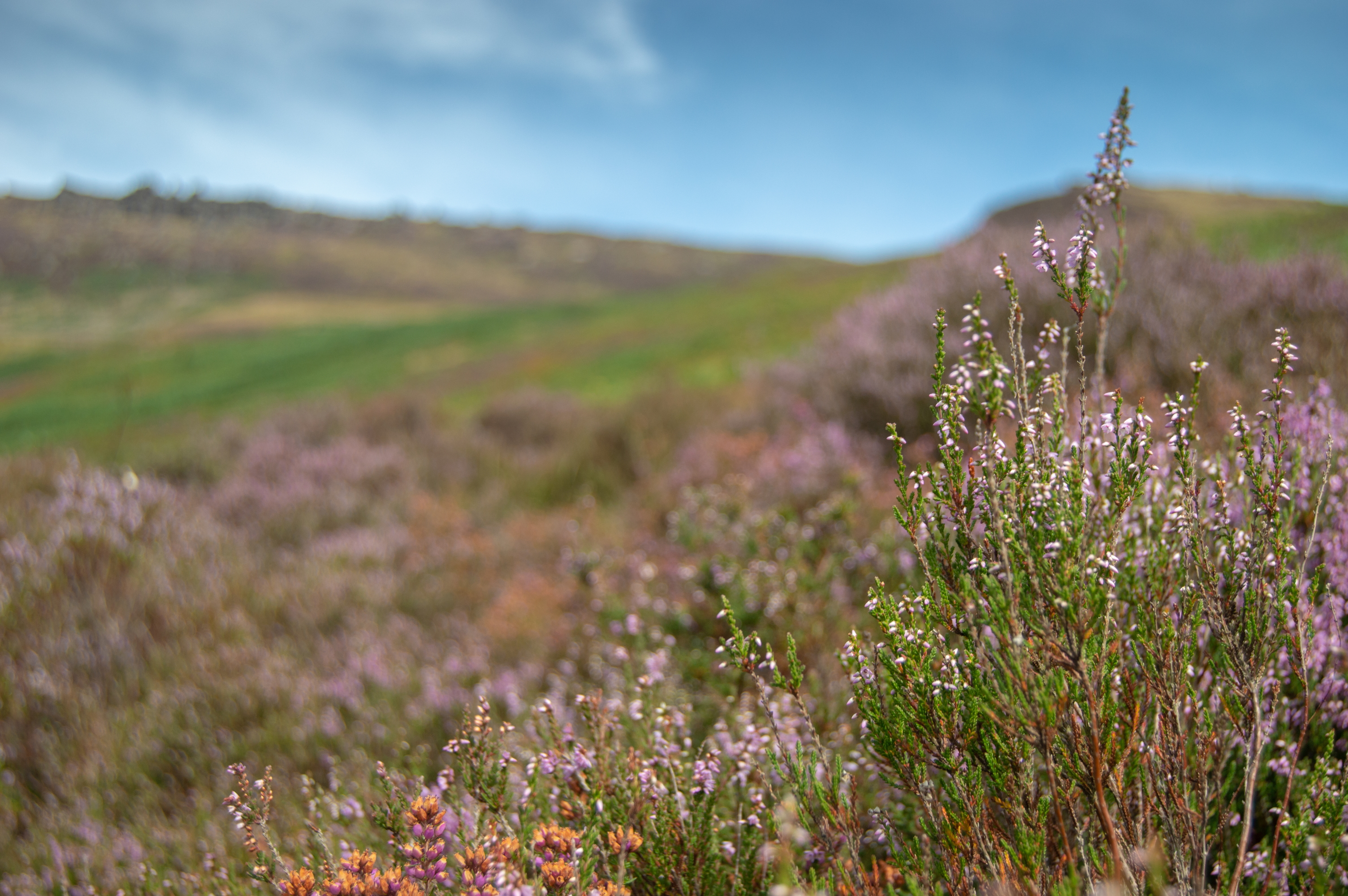
As more land was opened up to public access over time, a myriad of recreational pursuits flourished within their boundaries. Today our parks are filled with cyclists, rock climbers, hikers, surfers, skiers, and fisherman, as well as providing an excellent location for a host of constantly evolving new activities such ziplines and potholing. The scale of human activity in these areas brings into question to what extent those landscapes remain ‘natural’ beneath our tyre tracks. National Parks have a duty to conserve and enhance their natural and cultural assets, but this can clash with their other purpose of promoting the enjoyment of the parks and raises further questions about who’s enjoyment and how you balance conflicting demands.
Across the UK, millions of people take to riverbanks, lake shorelines and canal towpaths to participate in one of the UK’s most popular recreational pastimes, angling. For a long time after the industrial revolution, the UK treated its waterways with little care, dumping huge volumes of waste into the waterways, leading to disastrous pollution and the numbers of fish dwindling on the edge of the abyss. In my local area, The Wandle Trust in South London, have brought the River Wandle – a favourite haunt of Sir Izaak Walton for the “Trout with marbled spots like a Tortoise” – back to a condition where it is now teeming with marble spotted fish once more.3,4 Catching one of these trout from a pristine pool, a glimpse of a goshawk weaving through the woodland, or seeing sperm whales breaching in the North Sea are coveted sights in the UK but they may not be true representations of nature. We have shaped our natural environment to such an extent that it begs the question, have we abused the rights of our ecosystems and natural processes to become human landscapes directed and controlled by a human idea of a right to nature?
“Like so many issues in the environment, recreation is a multi-stakeholder, wicked problem.”
The air we breathe
Whereas the right to access nature is virtually uncontested, the fight for clean air has only recently registered broad public concern. In this edition, Laurence Caird investigates the role air quality has to play on athletic performance and in breaking the 2-hour marathon mark. This isn’t just an issue for elite athletes – we often unwittingly increase exposure to harmful particulates whenever we run, cycle or walk. A study published in the journal Preventive Medicine found that after a certain cut-off point, time spent exercising in most urban areas, even gently, can begin to have negative impacts on human health due to exposure to poor air quality5. Cycling for over 1½ hours daily in urban areas where PM2.5 levels exceed 100 μg/m3 – the cut-off point on an average day for the benefits of cycling to be negated by the impacts on health – may be doing their health more harm than good in their choice of recreation. The right to breathe clean air may be agreed in principle, but we are a long way from enjoying it in practice.
Finding the balance
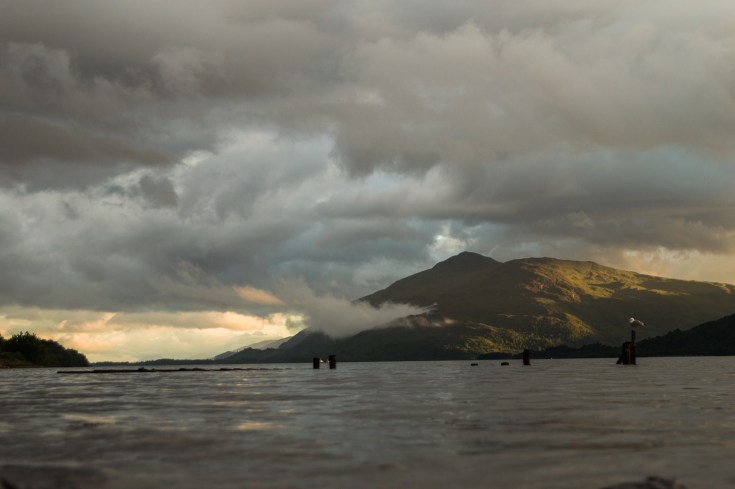
All recreational activities involve some interaction with the environment: the intake of air during exercise, the water in which we swim, or the land on which we walk, climb or run. The environment impacts our activities and our activities impact the environment. In our acts of enjoying recreation in the environment – through the noise we make to the visual impact of the infrastructure that recreation requires – we can diminish the enjoyment of others seeking escape or recreational pursuits in nature.
Like so many issues in the environment, recreation is a multi-stakeholder, wicked problem. I hope this journal helps readers think about ways in which we can explore, exercise and play in nature, whilst striking a balance between competing human desires and the rights of the natural world to not be exploited.
References
- Toft, D. (2012). Occupy Kinder Scout: remembering the mass trespass. Red Pepper https://www.redpepper.org.uk/occupy-kinder-scout-remembering-the-mass-trespass/ [accessed 17th December 2018].
- Sport and Recreation Alliance. Reconomics. https://www.sportandrecreation.org.uk/policy/research/reconomics [accessed 10th December 2018]
- The Wandle Trust. https://www.wandletrust.org/
- Walton, I, Cotton, C, Hawkins, J (1847). Chapter V. Rennie, J.A.M., The Complete Angler or Contemplative Man’s Recreation: Being a Discourse On Rivers, Fish-Ponds, Fish, and Fishing. With Lives, and Notes. Manchester: Thomas Johnson. pp.90
- Tainio, M., de Nazelle, A.J., Götschi, T., Kahlmeier, S., Rojas-Rueda, D., Nieuwenhuijsen, M.J., Hérick de Sá, T., Kelly, P. and Woodcock, J. Can air pollution negate the health benefits of cycling and walking? Preventive Medicine, 87, pp.233–236. https://doi.org/10.1016/j.ypmed.2016.02.002
All photos included in this article are owned by ©Paddy Fowler.
 Paddy Fowler